
Same-Day, Hot Shot or Expedited LTL for Urgent Freight
How to match same-day local freight, a dedicated emergency run or time-definite LTL to the distance, weight and deadline of an urgent shipment.
Urgent freight isn't one thing
When a shipment absolutely has to move now, the instinct is to just call and say "I need this expedited." But urgent freight covers a range of services that behave very differently: same-day local delivery, hot shot or emergency freight, and expedited or time-definite LTL. Picking the wrong one can mean paying for a service level the shipment didn't need, or worse, booking one that doesn't get the freight there in time.
The right choice depends on three variables: how far the freight is traveling, how much it weighs, and how much control you need over the exact pickup and delivery time. A pallet moving across town has different options than a pallet moving across three states, even if both are equally urgent from the shipper's point of view.
This post walks through when each service makes sense, with examples from Los Angeles County, Orange County and the Inland Empire, where DirectXpress runs local same-day and final mile delivery on its own trucks alongside nationwide LTL through partner carriers.
A useful first question before booking anything: does this shipment need a truck committed to it alone, or can it move alongside other freight and still arrive on time? The answer does not settle everything, but it narrows the options quickly.
Same-day local freight: when the lane is short and the clock is tight
Same-day freight delivery is built for shipments moving within a metro area, picked up and delivered inside the same business day. At DirectXpress the pattern is: book by late morning, dispatch and pickup the same afternoon, delivery before close of business, with proof of delivery attached to the order. The example shipments in this post sit in the 150 to 1,500 lb band that is DirectXpress's core service range: pallets, crates and oversized units moving from a warehouse to a job site, from one business to another, or filling an urgent restock gap at a retail location, all within Los Angeles County, Orange County or the Inland Empire.
The advantage of same-day local freight is that the whole trip stays inside one region and on one operator's trucks, so there is no handoff between carriers and no terminal network in the middle. It suits time-sensitive local moves: a piece of equipment down at a facility, a last-minute store restock, or freight that missed its scheduled pickup and now needs to make an appointment window that same afternoon.
Same-day does not mean the truck is carrying only your freight. A same-day local run can go from a single pickup to one drop or to several, and a route may carry freight for more than one stop. If your deadline is a specific hour rather than "today," say so when you book, and ask whether the run that fits the morning cut-off can meet it; if it cannot, that is the point to ask for a dedicated emergency run instead.
Our same-day freight delivery service covers this scenario, running on DirectXpress's own box and straight trucks rather than through a partner LTL network. It fits when the distance is short and the deadline is measured in hours, not days.
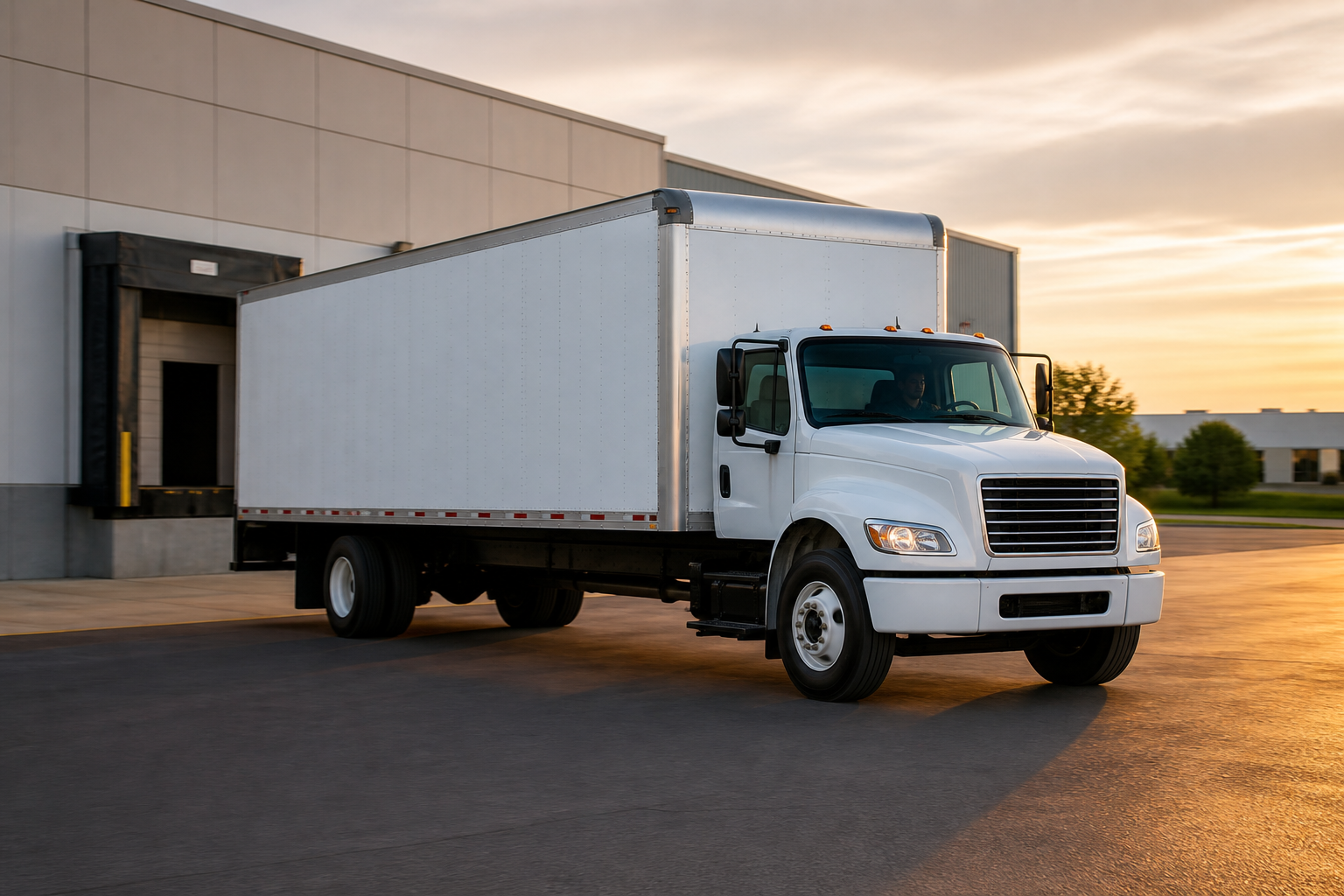
Local same-day freight stays on one operator's trucks inside one region, without a terminal network in the middle.
Hot shot and emergency freight: when the shipment needs its own truck
"Hot shot" is a loose label, not a single defined service. DAT describes hot shot loads as "time-sensitive freight that can be delivered with smaller trucks and trailers to easily accessible locations," hauled on box trucks, flatbeds or gooseneck trailers, and its load board lists LTL and partial hot shot loads as well as full ones. So a hot shot booking does not by itself tell you the truck is yours alone.
The option this section is about is a dedicated emergency run: a truck assigned to your shipment and sent from origin to destination without waiting for a scheduled route. DirectXpress describes its hot shot and emergency service that way — direct point-to-point runs for line-down parts, missed appointments and urgent replacements, dispatched immediately. It fits a down-machine part, a time-critical replacement component, or any shipment where a delay costs far more than the freight: a stopped production line, a missed installation window, a contractual penalty.
Whoever you book with, confirm three things rather than assuming them from the name: whether the truck carries only your freight, whether it makes any other stops on the way, and what delivery time is actually committed. A shipper calling in an emergency run should also be ready to explain the real deadline, what happens if it's missed, and the exact origin and destination, since dispatch is planning the run around this one shipment.
This is also where dispatch judgment matters. An urgent local shipment may fit a same-day run if that run's cut-off and route can meet the deadline; if they can't, a dedicated run is the safer choice even for a short distance. Over longer distances, a dedicated run earns its place when the timing is rigid and nothing moving on that lane on schedule will get there fast enough.
Expedited LTL: when the distance is long but a dedicated truck isn't necessary
Nationwide LTL, or less-than-truckload, moves freight alongside other shipments on the same trailer, through a carrier's terminal network. Expedited or time-definite LTL is an add-on some LTL carriers sell for shipments that need a firmer commitment than standard transit, without paying for a whole truck. The terms vary by carrier. Old Dominion, for example, offers a Guaranteed Service in which a shipment "will deliver within normal transit times by 5pm or your freight charges revert to standard LTL rates," and an On Demand Service that provides time-specific delivery outside its normal transit times. One is a guarantee on the normal schedule; the other, depending on how it is booked, can mean faster-than-standard transit or a delivery at a specific time, on a weekend or outside normal business hours (Old Dominion compares the two). Compare the confirmed transit and delivery commitment, not the product name. Read which one you are buying.
This kind of option fits a shipper with palletized or crated freight moving out of state or across a distance a local same-day service can't reach, where the shipment can still share trailer space with other freight as long as the delivery commitment is firm. Think of a retail chain restocking a store outside the region, or a business shipping equipment to a client several states away with a real but not same-day deadline.
Because LTL moves through a network rather than a single dedicated route, it depends on carrier coordination. DirectXpress holds both freight broker and motor carrier authority, so a shipment can move on its own equipment where that fits, or through a vetted partner carrier network for lanes its fleet doesn't directly serve. Our LTL freight shipping service covers the nationwide LTL end of the spectrum through partner carriers, and pairs with our liftgate delivery service for destinations without dock access on the receiving end. If your LTL shipment has a hard date, tell dispatch the deadline when you request the quote so the service level on the quote reflects it.
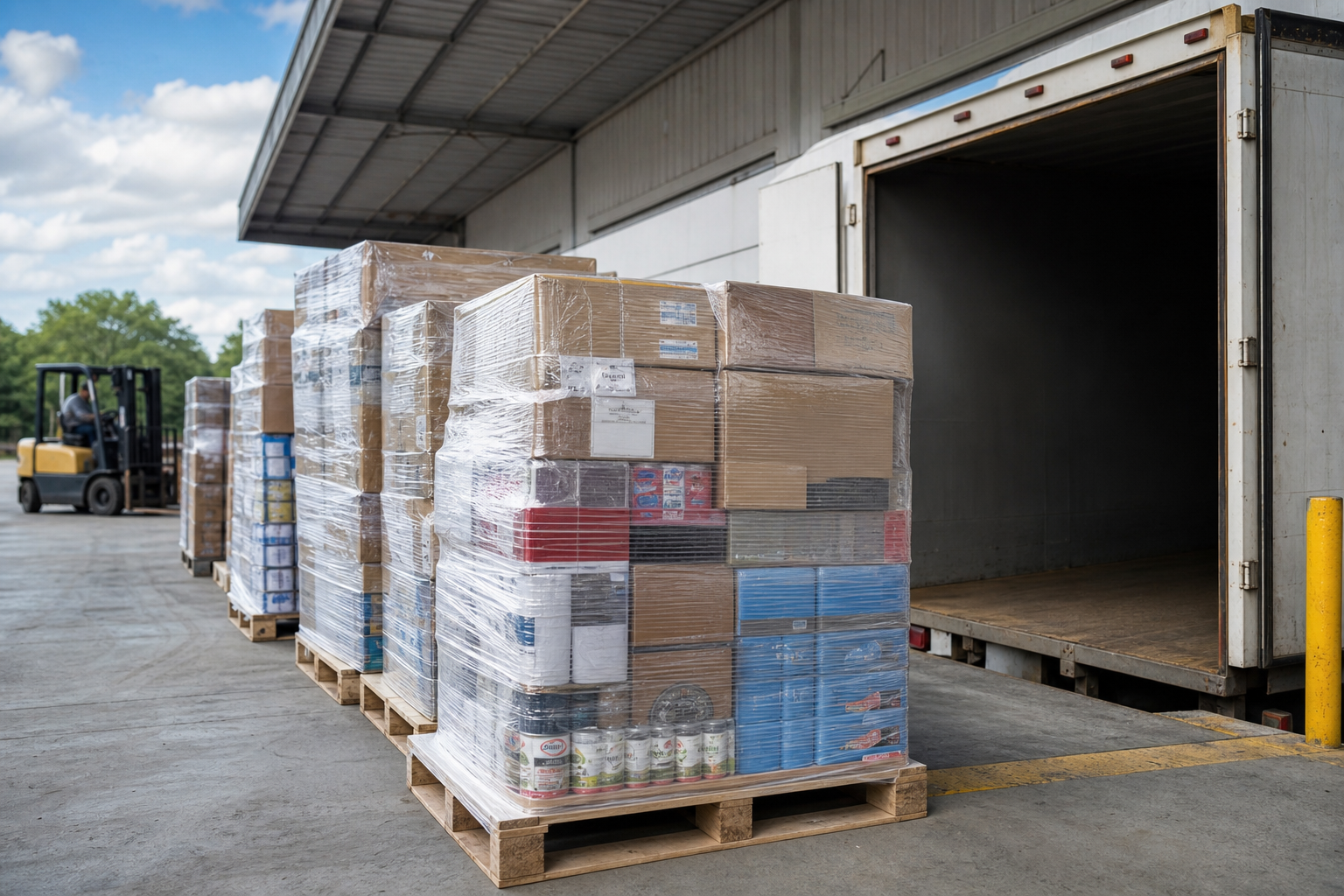
Expedited and time-definite LTL keep the shared network but add a firmer delivery commitment, on terms that vary by carrier.
How to decide in under five minutes
Most shippers don't have time to study freight service categories every time an urgent shipment comes up, so a short decision path helps. Ask these questions in order:
- Are pickup and delivery both inside Los Angeles County, Orange County or the Inland Empire, and does it need to move within the same business day? Start with same-day local freight, and check that the run's cut-off and timing meet your deadline.
- Does the shipment need a truck carrying only its freight, with no other stops, regardless of distance? Ask for a dedicated emergency run, and confirm the exclusivity, stops and delivery commitment in writing — the "hot shot" label alone does not guarantee them.
- Is the shipment moving a longer distance, can it share trailer space, but needs a firmer date than standard transit? Look at expedited or guaranteed LTL options and compare their written terms with the cost of a dedicated truck.
One more factor worth checking before booking: recurring urgency. If the same lane keeps coming in as an emergency every week, it may be worth reviewing whether a scheduled or dedicated route would fit better than rebooking it as urgent freight each time. Sometimes a recurring "emergency" turns out to be a scheduling problem; sometimes it is genuinely unpredictable demand. Looking at the pattern tells you which.
What to have ready before you call
Whichever urgent freight option fits, dispatch can work faster when the shipper arrives with a few specifics already sorted out. That includes the actual weight and dimensions of the freight (not an estimate from memory), the exact pickup and delivery addresses, whether either location has dock access or needs a liftgate, and the real deadline, not just "as soon as possible."
That last point matters more than it seems. "As soon as possible" and "must arrive by 2pm Thursday" can call for completely different services. A hard deadline with a real consequence for missing it points toward a dedicated run. A soft deadline that just means "sooner than normal" may fit a same-day local run or a time-definite LTL service without committing a whole truck.
It also helps to flag any special handling needs upfront, whether the freight is on a pallet, crated, oversized, or needs particular care in loading, since that shapes which equipment gets assigned. Our quote request form asks for these details, including liftgate at either end, destination type and freight notes; the rate it returns is confirmed by dispatch, and complex lanes get a reply from a dispatcher. Complete details give dispatch what it needs to assess the shipment and confirm the right service.
FAQ: choosing urgent freight
What's the difference between hot shot freight and expedited LTL?
Hot shot is a loose label for time-sensitive freight on smaller trucks and trailers; some hot shot loads are dedicated runs, and DAT also lists LTL and partial hot shot loads. Expedited or guaranteed LTL keeps your freight in a shared LTL network but adds a delivery commitment on terms that vary by carrier. If you need a truck carrying only your freight, ask for a dedicated run and confirm it.
Is same-day delivery only available for short distances?
Same-day freight delivery works within a single metro region, in DirectXpress's case Los Angeles County, Orange County and the Inland Empire, because both pickup and delivery have to happen within the same business day. Longer distances generally call for a dedicated emergency run or an expedited LTL service instead.
How do I know if my shipment actually needs a dedicated run instead of expedited LTL?
Ask whether the shipment can share a trailer and still make the deadline under the carrier's written service terms. If yes, an expedited or guaranteed LTL option may cost less. If the timing is rigid enough that shared routing risks missing it, or a delay would be very costly, a dedicated run is the better fit.
Can urgent freight over 1,500 lb still move quickly?
Yes. The 150 to 1,500 lb band is DirectXpress's core service range, but its quote form also accepts lighter freight and heavier multi-pallet shipments, and the urgency of a shipment is a separate question from its weight.
What if the same shipment needs to move urgently every week?
That can be a signal to look at a scheduled or dedicated route instead of booking it as urgent freight each time. Whether a route is the better answer depends on how predictable the lane's timing and volume really are, so send the lane details and ask for both options.
About the author
DirectXpress Dispatch
Dispatch and Operations, DirectXpress
The dispatch team at DirectXpress, an Ontario, CA freight company holding both broker and motor carrier authority (MC 1801477 / USDOT 4539992). Same-day LA County freight, heavy final mile for 150-1,500 lb shipments, and nationwide LTL.