
Freight Insurance vs. Carrier Liability
Why an $8,000 machine can carry $800 of default protection, and when buying cargo coverage is actually worth it.
Carrier liability is not insurance. Federal law makes a motor carrier liable for actual loss or injury, but the carrier's tariff and your bill of lading can limit that liability, often to a per-pound figure tied to freight class, which means an $8,000 machine can travel with a small fraction of its value in protection. Cargo insurance is a separate product you buy on top, covering what the freight is actually worth.
Everything expensive about this distinction happens after something breaks, when the settlement arrives calculated on pounds instead of value. Knowing which one you have before you ship costs nothing; discovering it during a claim costs the difference.
Carrier liability: what you get without asking
Every legitimate carrier moves freight under a liability regime — for domestic LTL, liability for actual loss that the applicable agreement and tariff can limit, commonly with per-pound limits tied to freight class. Each carrier publishes its own figures. One published rules tariff (AAA Cooper Transportation, Item 570) sets new goods at $0.99 per pound for class 50 up to $20.00 per pound for classes 250–500, pallet-rate and spot-quote shipments at $2.00 per pound, and used, rebuilt or refurbished goods at $0.10 per pound. The math is blunt: under that tariff, a wholly lost or damaged 400 lb machine at the $2/lb limit is capped at $800, and if the machine is used, the $0.10/lb limit makes it $40. Those are illustrative maximum weight-based limits: under the tariff, recovery can be no more than the lowest limit that applies, which may also be the invoice value, a value declared on the bill of lading or a shipment cap. On valuable freight, a limit like that, not what the machine would cost to replace, can set the ceiling.
Three more catches shippers discover late:
- Liability requires carrier fault. If the carrier can show the damage came from improper packaging, that can reduce or defeat recovery under the applicable terms, depending on the evidence. How the pallet was built becomes part of the claim, which is why packaging discipline is claim protection, not just damage prevention.
- "Released value" pricing trades protection for rate. A discount can depend on agreeing — in the fine print — to a minimal liability level. In the AAA Cooper tariff, for example, used goods must be released at no more than $0.10 per pound to get the discount that would otherwise apply. The cheap quote and the thin protection can be the same decision.
- Concealed damage has a clock. Damage found after signing clean should be reported to the carrier as soon as it is found, and it carries a steeper burden of proof. Late notice does not by itself end a claim, but the longer the gap, the harder it is to show the damage happened in transit rather than after delivery. The written claim is a separate step with its own filing deadline in the carrier's terms.

Declared value and cargo insurance: what you can add
Declared value (excess liability) raises the carrier's cap toward your freight's stated worth, for a fee based on the declared amount. It travels on the bill of lading, so it must be arranged at booking — not remembered at the dock. It's still a liability instrument: carrier fault still matters, exclusions still apply.
Cargo insurance is a different animal: a policy — yours, or bought per-shipment through a broker or third party — that pays on covered loss regardless of whether the carrier was technically at fault. Because it is not tied to carrier fault, a cargo policy can respond to losses a liability claim cannot; what it covers and excludes is set by the policy wording, so read both before you rely on it. Whether it is worth buying comes down to the premium quoted for your shipment against the gap between the liability cap and the freight's value — on an $8,000 machine protected to $800, that gap is $7,200.
A practical structure: liability suffices for low-value, easily replaced freight; declared value or per-shipment insurance for anything where the gap between cap and worth would hurt; an annual cargo policy once volume makes per-shipment buying tedious.
The claim itself: won or lost at the dock
Whatever protection you carry, claims pay on evidence, and the evidence window is the delivery moment:
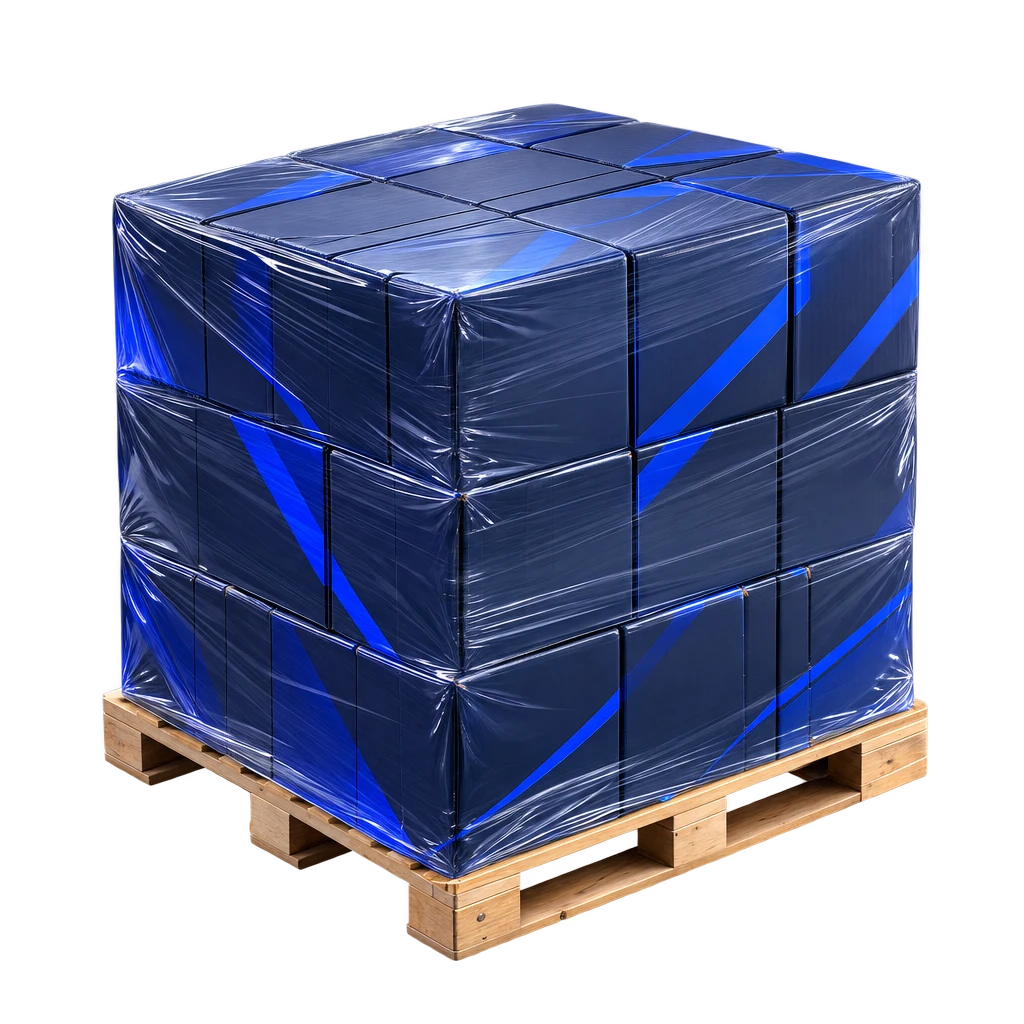
- Photograph before pickup — the packed, wrapped, labeled shipment, timestamped.
- Note everything on the delivery receipt. "Subject to inspection" is weak; specific notations — crushed corner, torn wrap, punctured carton — are strong. A clean signature is the carrier's best defense.
- Keep the freight and the packaging. Discarding either before inspection can void the claim.
- File fast. The deadline for the written claim is set by the carrier's terms; for claims covered by federal law (49 U.S.C. 14706), a carrier may not allow less than nine months. Concealed damage notice is a separate, earlier step. File in days, not months.
Photo proof at delivery gives both sides a record of the condition at handoff instead of a memory contest. That's why we attach photo POD to every order as standard practice, not an upgrade.
When liability is genuinely enough
Honesty cuts both ways. Skip the extra coverage when the freight is low-value relative to the cap (bulk commodity goods, cheap replaceable stock), when you self-insure across many shipments and can absorb a loss, or when the buyer holds risk under your sale terms. Insurance is for the shipments where a single loss changes your month — the trade-show booth, the production machine, the customer order that took eight weeks to build.
Two questions settle it fast: What does this shipment's liability cap actually come to in dollars? And could I write off the difference without flinching? If the second answer is no, insure it.
The high-value shipment playbook
For the moves where the math says insure, the routine is short and repays itself the first time anything goes wrong:
- Get the liability cap in dollars, in writing, with the quote.
- Buy declared value or per-shipment cargo cover to the freight's replacement cost.
- Photograph the packed shipment at pickup — wide shots and close-ups of the wrap, straps, and labels.
- Brief the receiver: inspect before signing, note specifics on the receipt, keep the packaging.
- Calendar the claim deadline the day the freight ships, not the day something goes wrong.
Ask before you book, not after you claim
Any carrier or broker quoting your freight should answer, in writing: the liability limit that applies to this shipment in dollars, whether the rate is released-value priced, what declared value would cost, and how claims are filed and tracked. When we quote a shipment, coverage questions get answered alongside the rate — and for high-value moves we'll say plainly when a dedicated vehicle beats shared LTL, because fewer touches means fewer chances for damage. On nationwide LTL and local runs alike, knowing the number before pickup is the whole game.
FAQ: Freight insurance and liability
Is carrier liability the same as insurance?
No. A carrier is liable for actual loss or injury, but that liability can be limited under the applicable agreement and tariff, including per-pound limits — in the AAA Cooper tariff, for example, from $0.10 to $20.00 per pound depending on the goods' condition and class. Insurance is a policy that pays on covered loss up to insured value without needing to prove carrier fault, subject to its terms and exclusions. The two answer different questions: "what must the carrier pay?" versus "what will I recover?"
How much protection does my LTL shipment have by default?
Read the quote's liability terms and the carrier's rules tariff — each carrier sets its own figures. One published tariff (AAA Cooper, Item 570) runs from $0.10 per pound for used goods to $20.00 per pound for class 250 and above on new goods. Under that tariff, the per-pound figure times the weight of the lost or damaged goods is an illustrative maximum; recovery can be no more than the lowest limit that applies, which may also be the invoice value, a declared value or a shipment cap.
What does per-shipment cargo insurance cost?
It depends on the provider, the commodity, the insured value and the lane, so get a written premium from the insurer or broker for the specific shipment. Compare that number with the dollar gap between the carrier's liability cap and what the freight is worth to replace.
Does insurance cover a badly packed shipment?
It may not. In the AAA Cooper rules tariff, for example, packaging that fails NMFC standards counts as an act of shipper — a defense to the claim — and improperly packaged items are not eligible for its Full Value Coverage. Cargo policies set their own exclusions, so read yours. Proper palletizing, photos at pickup, and honest weights protect both your freight and your recovery.
What should I do the moment a damaged pallet arrives?
Note the specific damage on the delivery receipt before signing, photograph everything including the packaging, keep all of it, and file promptly. A clean signature followed by a damage report a week later is a concealed-damage claim, where — in the AAA Cooper tariff, for example — the burden shifts to you to show the damage happened while the carrier had the freight.
Who insures the freight when a broker arranges the move?
The carrier's liability still applies, but verify whose cargo policy — broker's, carrier's, or yours — responds first, and get certificates when value warrants it. A dual-authority operation that both brokers and runs its own trucks can answer that question about its own equipment directly, which is one less party in the chain when something goes wrong.
About the author
DirectXpress Dispatch
Dispatch and Operations, DirectXpress
The dispatch team at DirectXpress, an Ontario, CA freight company holding both broker and motor carrier authority (MC 1801477 / USDOT 4539992). Same-day LA County freight, heavy final mile for 150-1,500 lb shipments, and nationwide LTL.