
How to Ship Gym Equipment: Treadmills, Racks, Plates
The per-item playbook for shipping home gym equipment — prep, palletizing, electronics rules, and what drives the cost to move.
Gym equipment can move as freight — usually on a pallet, by LTL or on a local final-mile truck — once each piece is prepared for the trip. The price comes from the packed weight and dimensions, the two addresses and the services at each end. What protects the equipment is following the manufacturer's instructions for folding or disassembly, then banding, wrapping and edge-protecting the load to the pallet.
A seller who writes local pickup only under a power rack limits the listing to buyers who can drive to it. Sometimes that is the right call. Sometimes it is a choice made before anyone had a real freight number. Item by item, here is what preparation involves and what to put in the quote.
Start with the manual and the packed weight
Home gym equipment varies more than the category name suggests. Published shipping weights differ widely by model — NordicTrack, for example, lists an in-box weight of 445 lb for its X Series incline treadmills — so a quote built on a guess can be wrong before the truck is booked. Before requesting one:
- Find the owner's manual and follow its instructions for folding, locking, disassembly and moving. Where the manual and a general guide disagree, the manual wins.
- Weigh and measure what will actually ship — the packed pallet or cartons, not the machine's listed footprint.
- List anything powered — a motor, a console, a battery — so it can be described when you quote.
- Photograph the equipment and the finished pallet before pickup, so its condition at handover is on record.
Treadmills: follow the folding and moving instructions
A treadmill puts weight, height and electronics in one piece, with the console and its wiring at the top where straps and wrap can press on them. Prep that respects that:
- Fold and lock the deck only if the frame is designed to fold, using the latch and the procedure the manufacturer provides. If the manual describes a transport position, use it.
- Protect the console and exposed electronics. If the manual shows the console detaches, pack it in its own padded carton; if not, pad and cover it so nothing bears on it.
- Describe the motor and any battery when quoting (batteries have their own section below).
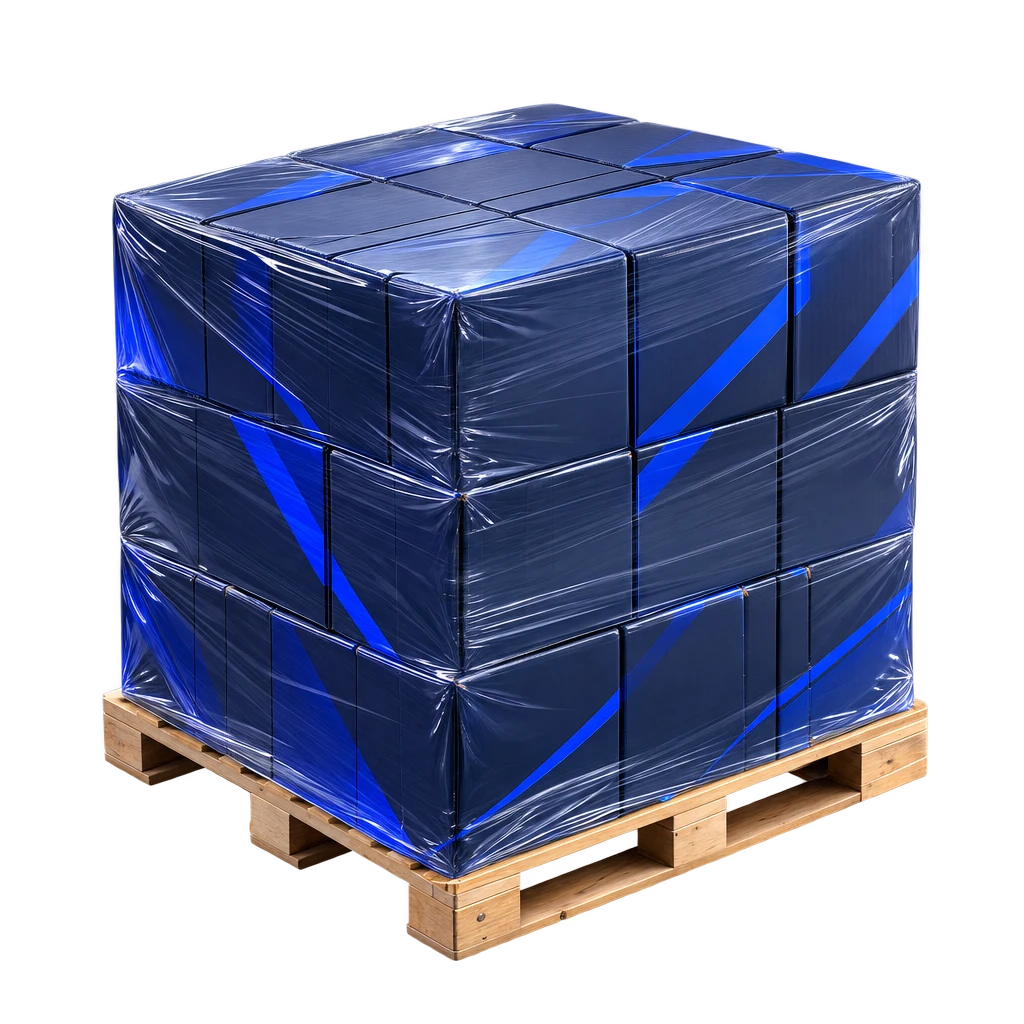
- Secure it to the pallet. FedEx's freight packing guide, in its section on securing air freight and LTL shipments, says "banding secures the bundled load to the pallet," advises keeping the banding close to the load, and says to "wrap loads tightly to prevent shifting." That page is general guidance, so ask the carrier you book for its own packing requirements, and ship the treadmill in an orientation the manufacturer allows.
Racks, plates, bars and dumbbells
Racks. A bolt-together rack can be broken down into uprights, crossmembers and hardware, which makes a smaller, flatter load; a welded frame may not come apart that way at all. Check the manufacturer's assembly instructions before picking up a wrench. If it does come apart, bundle the long pieces, cover sharp ends, and bag and label the hardware in a carton that travels with the steel — a buyer with a rack and no bolts has a problem no carrier can fix.
Plates, dumbbells and kettlebells. These are small and heavy, so the question is carton strength. Use cartons rated for the weight they carry, keep each package to a size that can be handled, stack them to fill the pallet footprint, and unitize the stack. FedEx's freight packing guide says edge boards should run the full length or depth of the stack, which helps unitize the load and increases vertical stacking strength, and it recommends 70-gauge stretch wrap that sticks to itself. Loose iron in an oversized box has room to move.
Bars. A barbell is long and thin. Pack it in a rigid tube or protective wrapping and secure it so it cannot slide, rather than laying it loose on top of the load.
How freight class and parcel limits apply
LTL freight is rated partly by its National Motor Freight Classification. NMFTA lists four characteristics behind a class: density ("how heavy the freight is relative to the space it takes up"), handling, stowability, and liability ("how likely the freight is to cause damage or be damaged"). Density is one of four, not the whole answer — a compact pallet of steel and a treadmill with an exposed console are judged on all of them, and a particular item's class comes from its NMFC listing, not from what it is made of. Our freight class explainer and the 150–1,500 lb shipping guide cover the vocabulary.
Parcel is an option for smaller pieces. UPS and FedEx each publish per-package weight and size limits, and a few plates or a pair of dumbbells in cartons within those limits can go by parcel. For a full set, price both ways — the combined parcel labels against one palletized LTL quote — and remember that a dozen parcels must each arrive, while a pallet travels as one unit.
Bikes, ellipticals and batteries
Spin bikes, air bikes and ellipticals have pedals, arms and handlebars that stick out. Follow the manual for what can be removed or lowered, bag and label anything you take off, pad the console, and secure moving parts so they cannot swing. Awkward shapes raise the packed dimensions, and dimensions feed the quote.
Batteries need more care. Lithium cells and batteries — including ones contained in equipment, such as an e-assist bike or a powered handcycle — are covered by the federal Hazardous Materials Regulations at 49 CFR 173.185. What applies depends on the battery: its type and size, whether it is installed in, packed with, or shipped apart from the equipment, and its condition. The regulation sets separate, stricter packaging for batteries that are damaged or identified by the manufacturer as defective for safety reasons (§173.185(f)), and those may move by highway, rail or vessel only. PHMSA publishes a lithium battery guide for shippers. Before pickup, identify the battery from its label or the manual, read the requirements that apply to it, and describe it at quote time; the carrier decides whether and how it will accept the shipment. Mentioning the battery does not make a shipment compliant on its own — the packaging, marking and paperwork rules for that battery still have to be met.
Residential delivery: liftgates and placement
When equipment goes from one home to another, there is often no loading dock at either end, and a loaded pallet is not something a driver lifts off a truck by hand. Put three things into the quote:
- Liftgate where there is no dock. Our quote form lists liftgate at pickup and liftgate at delivery separately, and prices them into the quote when you tick them.
- Residential as the destination type. On our form, choosing Residential includes the appointment and access planning in the price.
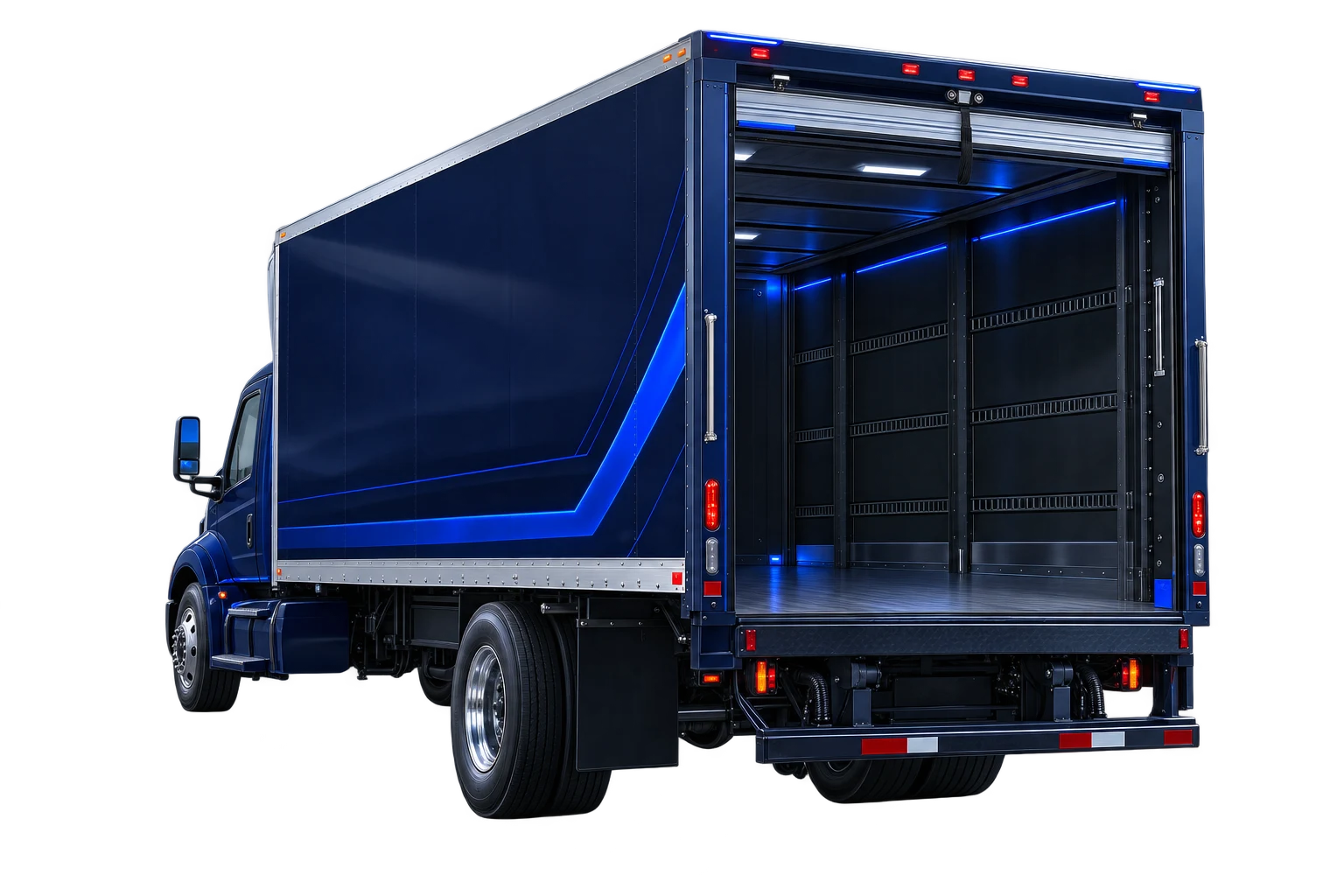
- Where it lands. Curbside, garage or inside placement is something you request, not an assumption. Our heavy final-mile service in Southern California is built for 150–1,500 lb shipments, fitness equipment among them, and liftgate, pallet jack, two-person handling and inside delivery are among the accessorials we list. If the room is up a flight of stairs, say so in the quote and confirm with dispatch before booking — access details change what a delivery needs.
What drives the cost, and how to list with freight
The price comes from the packed weight and dimensions, the lane, and the services at each end — liftgate and residential delivery are priced when you select them. A seller can state freight terms in the listing, for example "buyer pays freight, quoted before purchase," so a distant buyer knows the item can reach them and what to ask. Get a real number before you promise one: weigh and measure the packed load, then request a quote with both addresses described. Standard lanes price instantly on our quote page; lanes that need a dispatcher's look typically get a reply within one business hour.
When the buyer is across town rather than across the country, a local same-day run can be simpler: one truck, picked up and delivered inside the same business day. In LA County, that is what our same-day Los Angeles freight service is built for.
If something arrives damaged
A damage claim goes through the carrier's process, in writing. Under 49 CFR 370.3, a written claim must contain facts sufficient to identify the shipment, assert liability for the loss or damage, and claim a specified or determinable amount of money. Photos of the equipment and the packed pallet before pickup, and notes written on the delivery receipt at drop-off, are the kind of facts that help. Our guide to receiving a pallet delivery covers what to check before signing.
FAQ: Shipping gym equipment
How much does it cost to ship a treadmill across the country?
It depends on the model's packed weight and dimensions, the two addresses, and the services at each end — residential delivery, liftgate and placement. Request a quote with both locations described and the packed weight measured rather than estimated.
Can I ship weight plates through UPS or FedEx instead of freight?
For a few plates, possibly: parcel carriers publish per-package weight and size limits, and cartons within those limits can go by parcel. For a full set, compare the combined parcel price with one palletized LTL quote, keeping in mind that many parcels must each arrive while a pallet travels as one unit.
Do I have to disassemble a power rack to ship it?
Not always — check the manufacturer's instructions. A rack designed to come apart gives a smaller, flatter load once broken down to uprights, crossmembers and bagged hardware; a welded frame may not come apart at all and ships as it is, secured to a pallet.
What about equipment with a lithium battery, like a powered handcycle?
Lithium batteries, including ones installed in equipment, are covered by 49 CFR 173.185, and damaged or defective batteries have stricter rules. Identify the battery, read PHMSA's guidance for shippers, and describe it at quote time; the carrier confirms whether and how it will accept the shipment.
Does the buyer or the seller arrange freight?
Either can. Agree in writing who books it, who packs it, and who files a claim if something arrives damaged, so nothing falls between the two of you.
Is it worth shipping used gym equipment at all?
Compare the sale price minus a real freight quote with what a local-only sale would bring. The answer varies by item, lane and the services each end needs, so get the quote before deciding.
About the author
DirectXpress Dispatch
Dispatch and Operations, DirectXpress
The dispatch team at DirectXpress, an Ontario, CA freight company holding both broker and motor carrier authority (MC 1801477 / USDOT 4539992). Same-day LA County freight, heavy final mile for 150-1,500 lb shipments, and nationwide LTL.