
Final mile delivery is the last leg of a shipment: from a warehouse, cross-dock or terminal to the receiver who actually uses the goods — a store, a dealer, a job site, an office or a home. For heavy freight, roughly 150 to 1,500 lb per piece, it is the leg where access, handling and receiving problems surface, because the truck, the crew and the accessorials matter as much as the route. DirectXpress runs heavy final mile on its own fleet from Ontario, CA across the Inland Empire, Los Angeles County and Orange County, with appointment windows, liftgate and inside placement planned and quoted to what each shipment needs, and photo proof of delivery attached to the order.
What changes when the freight is heavy
A parcel network is built around a driver, a hand truck and a doorstep. A 600 lb sofa, a commercial oven or a pallet of tile breaks that model: it needs a liftgate where there is no dock, two people to move it, a booked window so the receiver is actually there, and a record of the condition it arrived in. Those are the four things a heavy final mile operation has to plan. Our guide to parcel, LTL or final mile lays out where each one stops making sense.
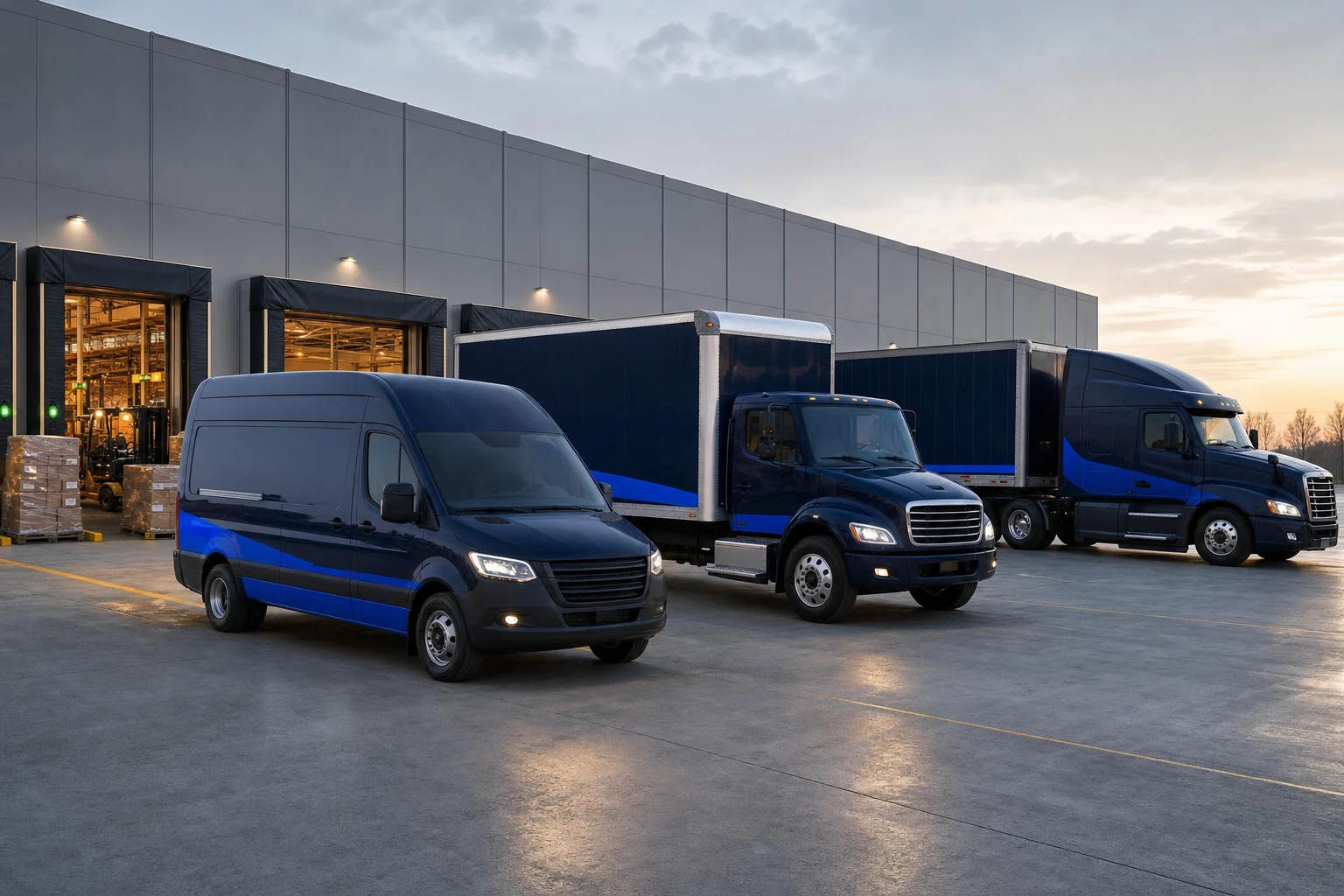
Three lanes, one operation
Business delivery
Retail stores and showrooms, dealers and installers, offices, factories, job sites and regional warehouses. Multi-order, multi-address routing with receiving-window compliance; dock, liftgate or curbside placement; consolidated daily manifests; signature and photo POD per stop with live route status for your customer service team and one invoice across all stops.
Residential delivery
Scheduled appointments and delivery windows with residential access planned in advance, advance notification and reminders, careful handling of large items, photo POD and signature capture, and a clear exception and reschedule process. Used by direct-to-consumer furniture and home brands, appliance and fitness sellers, marketplace oversized-item sellers and overseas-warehouse operators. What the receiving customer sees is covered in a pallet is coming to your house.
Warehouse transfer
Warehouse-to-warehouse transfers, import warehouse outbound, regional DC replenishment, cross-dock and staging moves. Partial and multi-pallet loads, a full local truck for large transfers, recurring weekly schedules, seal and pallet-count verification, appointment booking at both ends and a documented handover at each facility.
Exceptions are the product
Access problems, refused deliveries, missed windows and damage are flagged with a recommended next step, not just logged. Every status, document and photo lives on the order, so your support, operations and finance teams look at the same record, and your team can hear about a problem from us before it hears from your customer. The platform behind that is described on our technology page; the delivery-side failure patterns are in why heavy deliveries fail at the door.
Coverage and capacity
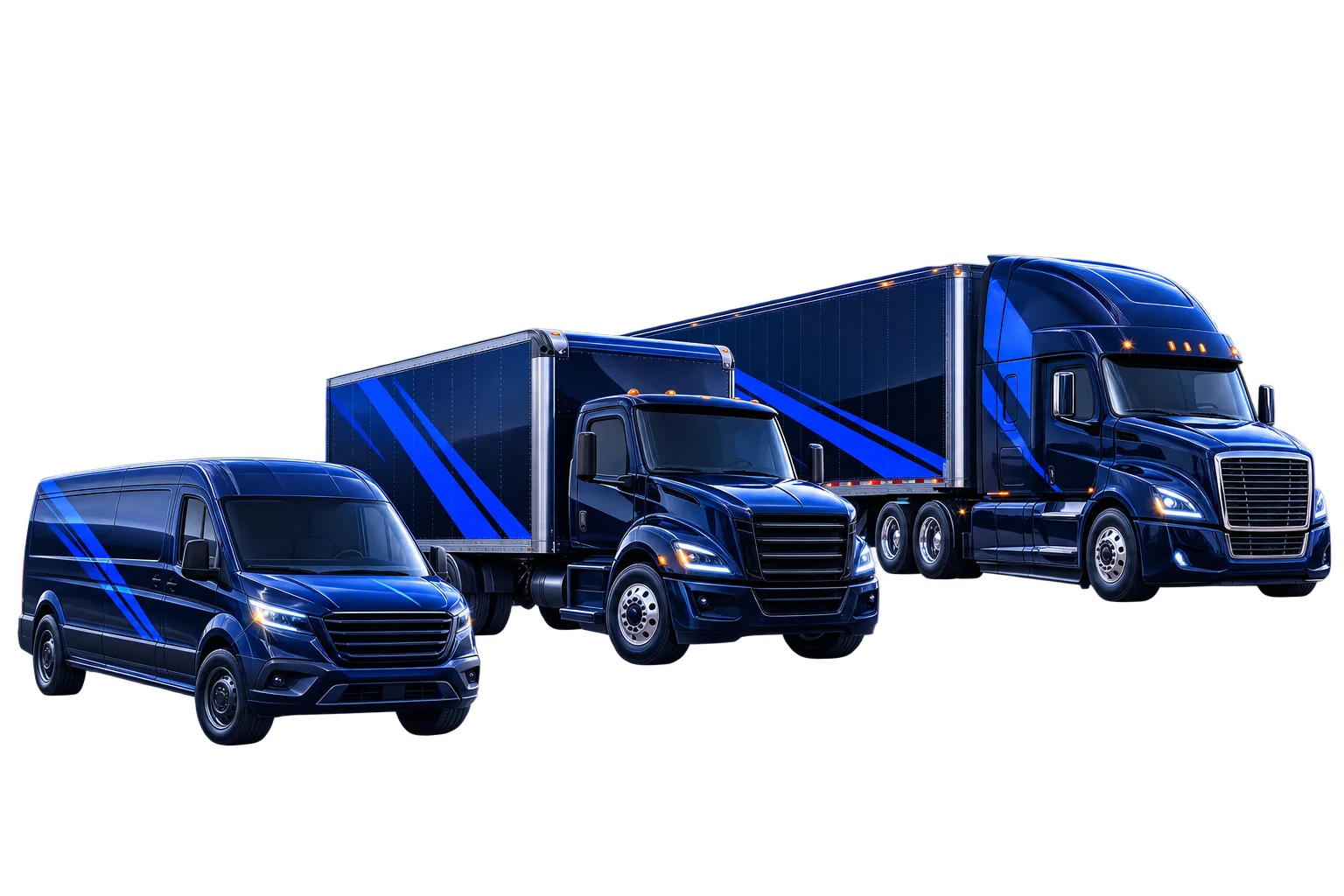
Our own 26 ft box and straight trucks dispatch from 3625 Jurupa Street in Ontario and cover the Inland Empire, Los Angeles and Orange County — Ontario, Riverside, San Bernardino, Anaheim and the surrounding warehouse corridors. Local pages describe each market: San Bernardino, Riverside, Anaheim and Los Angeles. Beyond that footprint, shipments move through our vetted partner carrier network as nationwide LTL, on the same order record and the same invoice. Peaks flex into partner capacity while your base lanes keep running on schedule; where volume is recurring we plan fixed routes and milk runs instead of quoting each order — see store restock and dedicated routes.
Equipment and accessorials
Liftgate, appointment scheduling and inside placement are selected at booking and priced into the quote when you tick them, so they show up on the quote rather than as surcharges discovered on the invoice; choosing Residential as the destination type brings appointment and access planning into the quote. The liftgate delivery page explains when the gate is needed and how it is priced. Receivers that can only take a box truck, not a dock-high trailer, should say so at booking — a truck the site cannot receive is one reason a delivery gets refused (see dock-high versus box truck).
Starting a final mile program
We start programs with a defined set of lanes and a pilot on the hardest one, agree service levels and reporting, then expand into standing routes and additional regions. Bring a week of real shipments and we will show you how each would be quoted, dispatched, tracked and invoiced. A single shipment prices live in the quote form from the addresses, pallet count or piece dimensions, and weight. DirectXpress holds both motor carrier and freight broker authority (MC 1801477, USDOT 4539992), so one company quotes, dispatches, tracks and settles the shipment and one party is accountable when a driveway cannot take the truck.