
Shipping 150-1,500 lb Freight: Your Real Options
Too heavy for a parcel package, too small for a truckload: LTL, final mile, same-day and load boards compared, plus the terms that change your quote.
Between 150 and 1,500 lb there are four options worth investigating: LTL on a shared trailer, a final-mile service built for heavy home and storefront delivery, a dedicated same-day vehicle inside one metro, or an online load board. Which one fits is decided mostly by two facts: whether each end can unload the freight, and how hard your deadline is.
That weight band is where shipping advice tends to fall apart. Parcel networks stop at a per-package limit, full truckloads are priced for far more freight, and in between sits the seller with a 300 lb treadmill and the shop moving two pallets a month. This guide is the map; each mode has its own deeper page linked below.
Why parcel stops at 150 lb
UPS lists its package maximum as 150 lbs, and its own support page routes anything heavier to freight ("a shipment weighing over 150 lbs"), noting that LTL "typically refers to pallet freight weighing over 150 lbs." So there are two different situations. If your shipment can be split into separate eligible packages, each under the carrier's limits, parcel may still be an option to price. If it's one item that weighs more than the package limit, such as a 200 lb machine or a treadmill that ships in one piece, it moves as freight.
Choosing between the four
Read this table by the two questions that decide it: unloading at each end, and deadline. It is a starting point for questions to ask, not a ranking.
| Mode | Fits when | Watch out for |
|---|---|---|
| LTL | Both ends can load and unload the freight (for example, a dock with handling equipment suited to the load); distance beyond one metro; timing measured in days | Freight class, terminal handling, accessorials at addresses without a dock |
| Final mile | Either end is a home, storefront or job site; the piece needs two people or placement inside | Ask exactly what's included at the stop (liftgate, inside placement, appointment) and compare total quotes |
| Same-day dedicated | Pickup and delivery in one metro against a hard deadline: an install crew, a stopped line, a store opening | Not priced by freight class, but weight and dimensions still decide which truck and liftgate can take it |
| Load board | A one-off personal item where price matters more than a fixed date | Check the hauler's authority, insurance and who you call if something goes wrong before booking |
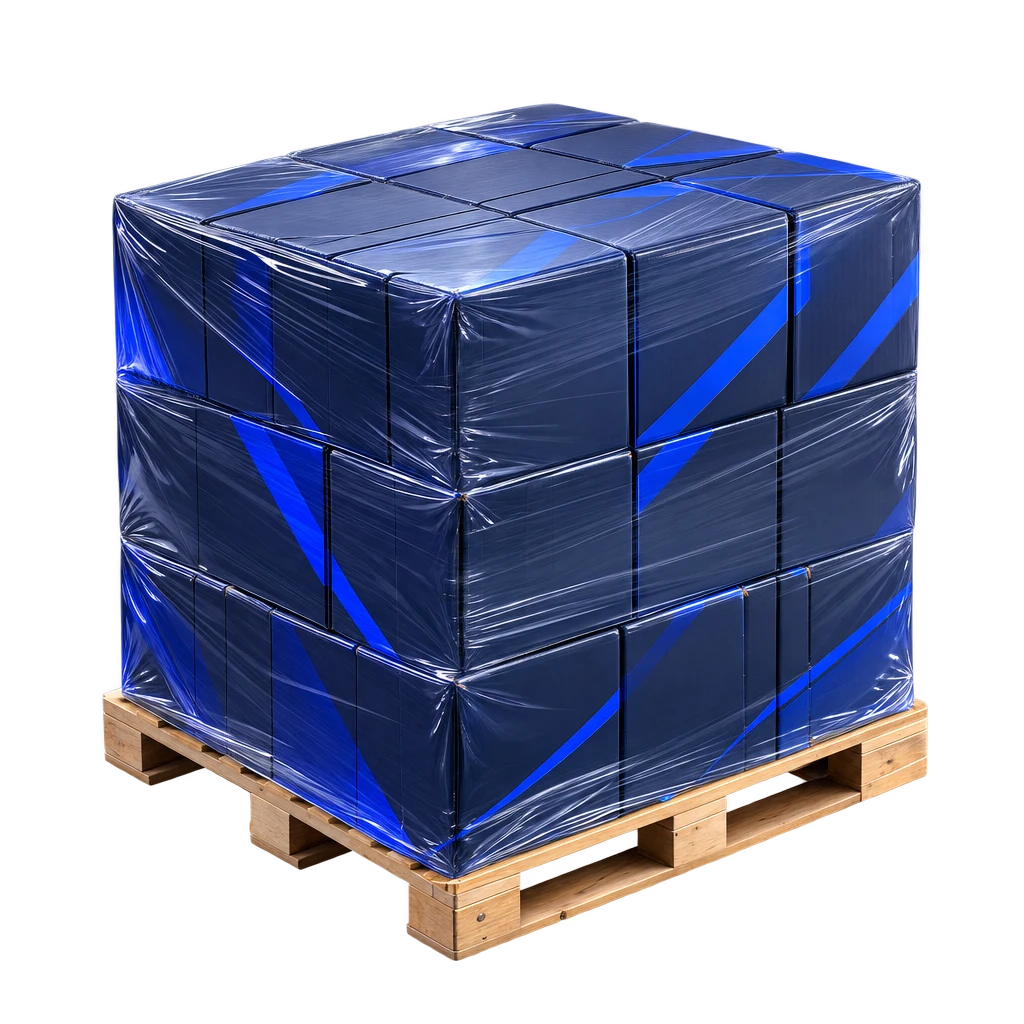
Two of these deserve more detail than a row. LTL pricing uses freight class, which for many items is a density calculation you partly control; the freight class guide works through the math with an example. And heavy final mile for 150–1,500 lb shipments is one of the core services we run, for business, residential and warehouse-transfer deliveries.
One shipment in this band often prices as LTL; several at once may not. If you're moving multiple pallets on the same lane, read LTL vs. full truckload and price larger loads both ways.
The two questions, in detail
Unloading at each end. "Commercial address" sounds like it settles the question, and it doesn't. A loading dock is a raised platform: Pentalift, a dock-equipment maker, puts the most common dock height at 48–50 inches above grade, with truck and trailer beds generally 46–52 inches high. A storefront with a back door at street level has a commercial address and no dock. A dock also needs suitable handling equipment for your load, such as a pallet jack or a forklift, and someone trained to use it when your freight arrives. Ask the receiver a direct question: can you take a 500 lb pallet off a truck whose floor is about four feet off the ground? Then route on the answer.
Deadline hardness. There's a real difference between "this week," "by Friday," and "before the install crew arrives at 8 a.m. Thursday." LTL carriers run hub-and-spoke networks, and transit time depends on how many times the freight is sorted and how many linehauls it takes, not only on distance. Ask whether a quoted delivery date is an estimate or a guaranteed service. If a missed date costs you more than the freight does (a crew standing idle, a store that can't open, a production line down) you're buying a delivery window, and that's the case for a dedicated or scheduled run.
Answer both questions accurately and the four options usually narrow to one or two. Answer them optimistically and you risk the two classic failures: a trailer at the curb with no way to get the freight down, or a pallet that arrives the day after it mattered.
The words that change your quote
Four terms often change the price when nobody explains them:
- Liftgate: the powered platform that lowers freight from truck-bed height to the ground. You may need one where there's no usable dock and no forklift or other equipment suitable for your freight's size and weight. What it involves is covered on the liftgate delivery page.
- Residential: a home address, or a business operating from one. On a DirectXpress quote, choosing Residential as the destination type adds appointment and access planning to the price.
- Freight class: the NMFC rating used to price class-rated LTL; for many items it is set by density.
- Bill of lading: the shipping document the carrier works from. Make sure the weight, dimensions and services written on it match the shipment.
Services beyond a standard dock-to-dock move, such as liftgate, residential delivery, appointments or inside placement, are commonly billed as accessorials, and that's where quotes and invoices can part company. The accessorial guide lists the common ones and what triggers each.
Packaging and paperwork
Packaging rules belong to the carrier and service you book, so ask for them before you pack. For example, FedEx's freight packing guide says shipments "must be on a pallet, skid, or other base that's accessible by forklift and pallet jack." Some final-mile services handle loose pieces like furniture, so requirements differ by service. Whatever the service, keep the load inside the base's footprint, weigh and measure after packaging, and photograph the finished shipment before it leaves. Photos are evidence of condition at pickup if you later need to file a claim; they don't decide the outcome on their own.
Motors, fluids and batteries need a conversation before pickup, not at the door. PHMSA states that lithium batteries "are regulated as a hazardous material" under DOT's Hazardous Materials Regulations, so describe them at quote time and follow the packaging, marking and acceptance requirements that apply; the carrier decides whether it can accept the shipment. The palletizing guide covers building a pallet, and carrier liability versus cargo insurance explains how coverage differs.
What it costs, roughly
Lanes vary too much for a price list. Distance, freight class and accessorials are among the biggest inputs. When quotes differ widely, check that each one includes the same services: the same liftgate and residential settings, the same appointment, the same delivery type. Then compare totals, not base rates.
One partner or five browser tabs
Quoting every shipment across several sites works, but each new provider means a new set of accessorial rules, paperwork and contacts. Some shippers eventually prefer one operation that knows their freight.
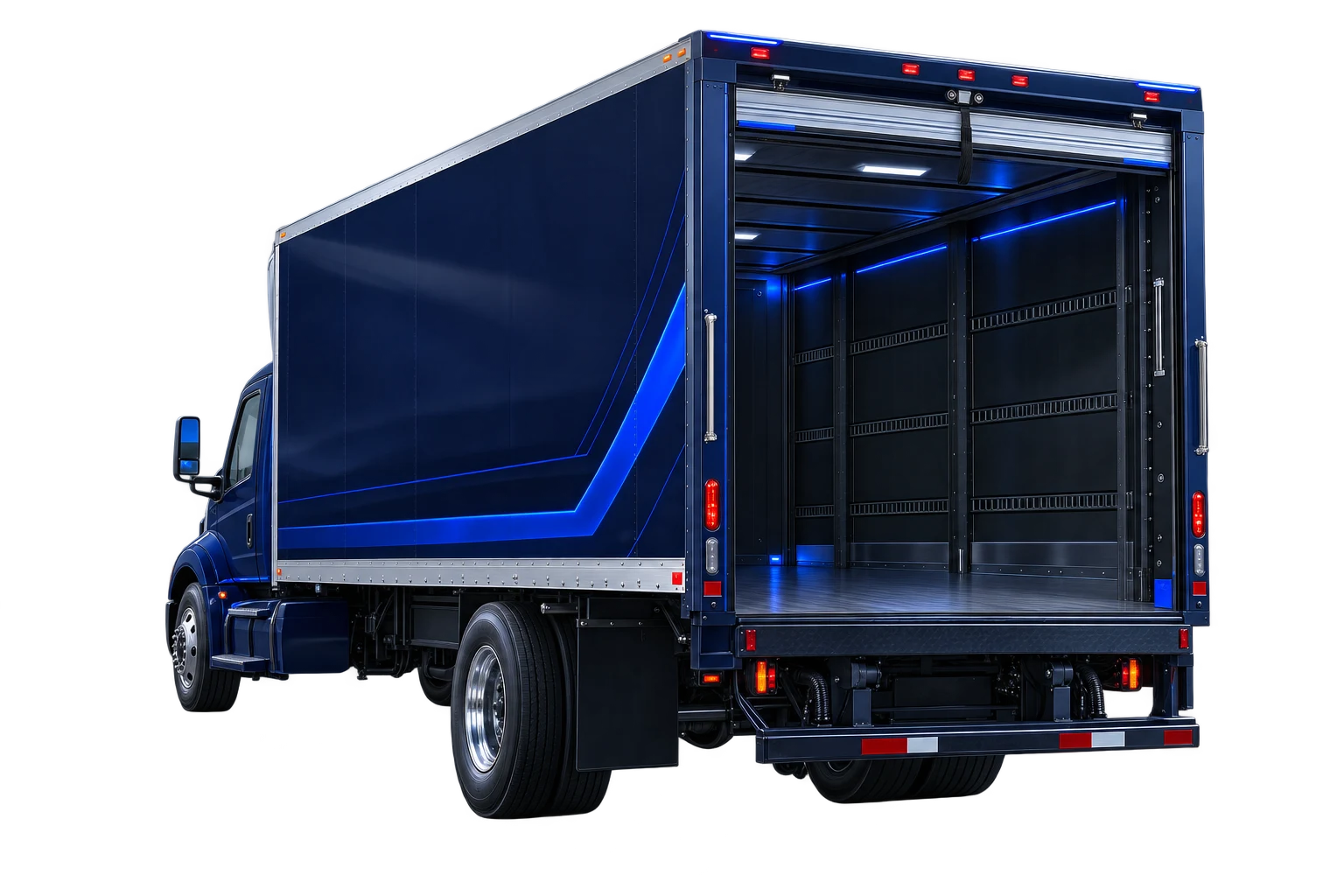
That's the model here. DirectXpress holds both broker and motor carrier authority (MC 1801477 / USDOT 4539992). The same operation that books nationwide LTL through partner carriers also runs its own liftgate-equipped trucks for same-day Los Angeles freight and heavy final mile across Southern California. Live status and photo proof of delivery sit on one platform, whether it's a pallet to Ohio or a 900 lb crate across LA County.
Not sure which option your shipment needs? Enter both addresses, the pallet count or dimensions, and the weight. Standard lanes price instantly; lanes that need a human look go to a dispatcher, who replies typically within one business hour.
FAQ: Shipping heavy items
What's the cheapest way to ship a 300 lb item?
There's no single answer. A 300 lb single piece is over UPS's 150 lb package maximum, so it moves as freight. Get LTL and final-mile quotes with the same liftgate, residential and appointment settings, and compare the totals; which one is lower depends on the lane and those services.
Can I ship gym equipment or machinery with a motor?
Often, but describe it fully at quote time. Items with motors, fluids or batteries can carry handling requirements, and PHMSA regulates lithium batteries as hazardous materials. Follow the rules that apply to your item, and confirm the carrier will accept it before pickup.
Do I need a pallet, and where do I get one?
It depends on the service. FedEx's freight packing guide, for example, requires a pallet, skid or other base accessible by forklift and pallet jack, while some final-mile services handle loose pieces. Ask your carrier for its packaging requirements; if a pallet is required, keep the item inside its footprint and secure it.
How long does heavy freight take?
Ask for a lane-specific transit estimate. LTL transit depends on the carrier's terminal network and how many times freight is sorted and linehauled, not just distance, and a quoted date may be an estimate rather than a guarantee. Dedicated same-day runs go direct within one metro.
How is same-day freight different from a courier?
Courier services vary, so ask what size and weight a courier accepts. Same-day freight, as DirectXpress runs it, moves palletized and oversized pieces on liftgate-equipped trucks within the local metro, with a morning booking cut-off for same-day delivery. Timing and capacity are confirmed by dispatch when you book.
About the author
DirectXpress Dispatch
Dispatch and Operations, DirectXpress
The dispatch team at DirectXpress, an Ontario, CA freight company holding both broker and motor carrier authority (MC 1801477 / USDOT 4539992). Same-day LA County freight, heavy final mile for 150-1,500 lb shipments, and nationwide LTL.