
Moving Heavy Machinery When You're Not a Factory
Rigging vs freight, what to ask the manufacturer and the carrier before moving a CNC or lathe, and how to plan a shop move around downtime.
Whether a shop machine can travel as ordinary freight or needs a rigging crew depends on more than its weight: its packed dimensions, where its center of gravity sits, how stable it is on a skid, and how it has to be lifted at each end. No single rule settles that. The carrier, a qualified rigger and the machine's manufacturer each confirm part of it, and this guide lists the questions to have answered before moving day.
A small shop moving a mill or a lathe may have no loading dock, nobody who has moved a machine before, and a lease date to meet. The planning below applies to any machine move; it matters most when nobody on site has done one.
Riggers or freight? Questions to answer first
Treat these as screening questions, not a verdict. Each one points to the person who should confirm the answer:
- Does it have to be lifted from above, or moved on skates, cranes or gantries? Top-heavy machines, equipment that has to come off a foundation, and placements that need precise positioning are the jobs rigging contractors are hired for. If you hire one, ask for proof of their insurance and for their handling plan in writing.
- What does it weigh packed, and what are its packed dimensions? Use a measured or documented weight for the machine as it will ship, skid and crating included, rather than an estimate. If you cannot pin the weight down, tell the carrier that before booking and ask how they want to handle it.
- Where is its center of gravity, and is it stable on a skid? The manufacturer's manual or the manufacturer's service department is the place to ask.
- Will it fit the liftgate platform? A liftgate has a rated capacity and a platform of fixed size. MAXON's operating manual for one of its gates says "All loads must be placed as close to the edge of the Platform nearest to the vehicle floor as possible, with the heaviest part of the load toward the vehicle. No part of any load should be allowed to extend over the edges of the Platform. Do not place unstable loads on the Platform. Do not allow any load to exceed the rated capacity for the unit" (MAXON operating manual). So a skid that is forkliftable can still be wrong for a liftgate if it overhangs the platform, is unstable, or is over the gate's rating.
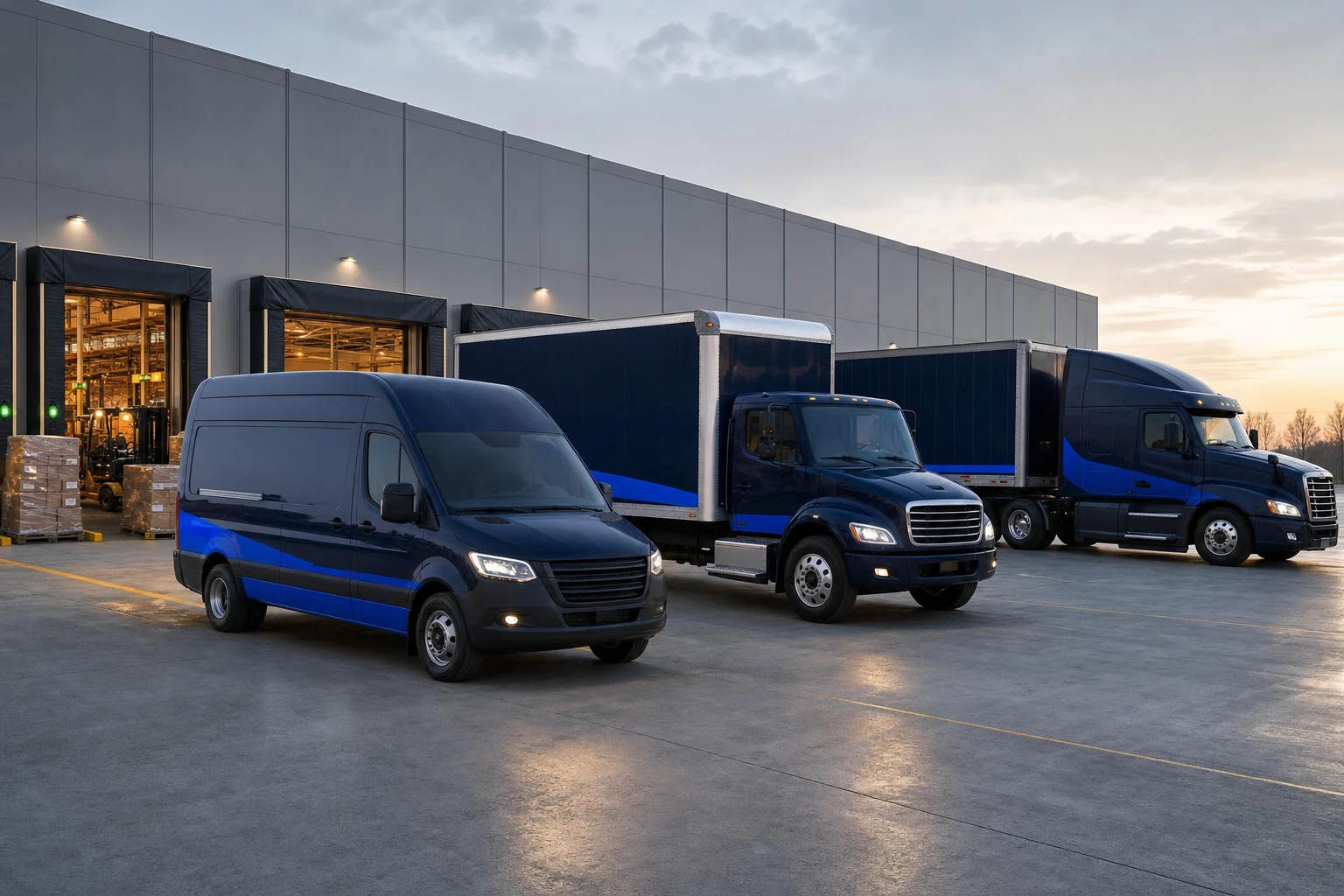
When the answers come back as a stable, skidded load within the truck's and liftgate's limits, freight may be the right fit. DirectXpress's heavy final-mile work centers on 150–1,500 lb shipments, including commercial machinery, on liftgate-capable equipment (heavy final mile). Send the carrier the packed weight, footprint, center-of-gravity information and access details at both ends, and have them confirm the handling plan before pickup.
Some moves are split: a rigger takes a machine off its foundation and onto a skid, and a freight carrier then hauls it along with the tooling, benches and stock around it. Whether that split makes sense for your machines is a question for the rigger and the carrier together.
Preparing a machine to travel
How a specific machine should be prepared for transport is set by its manufacturer, not by a general checklist. Before anything is unbolted, check whether the manufacturer publishes transport or installation instructions for your model, ask whether it expects a professional rigger to do the move, and get answers on the points below:
- Fluids. Ask the manufacturer, or whoever services the machine, which fluids need to be drained, which can stay, and how the rest should be secured. Then tell the carrier what remains in the machine, so they can say whether it changes how the shipment has to be described or handled.
- Moving parts. The transport instructions say what should be locked, blocked or removed for travel, and how. Pack loose tooling and accessories separately and label them.
- Skid and securement. The skid, the attachment points and the blocking should follow the manufacturer's instructions or a design from the rigger. Do not assume that mounting holes meant for a floor are approved attachment points for shipping. Our palletizing guide covers general freight packing; a machine's own instructions take priority over it.
- Weight. Record the actual packed weight and share it with the carrier; that is what the truck and liftgate are matched to.
- Surface protection. Ask the manufacturer how precision surfaces and guarding should be protected, and where straps may and may not bear.
Check the destination before the truck leaves
A delivery can go wrong at the far end even when the drive is uneventful. Before moving day, measure every doorway and turn on the route against the machine's largest packed dimension; ask the building owner or a structural engineer about floor load capacity if the machine is going onto a mezzanine or an older slab; walk the approach for grade, gravel, overhead wires and gate widths; and decide where the machine will be set down.
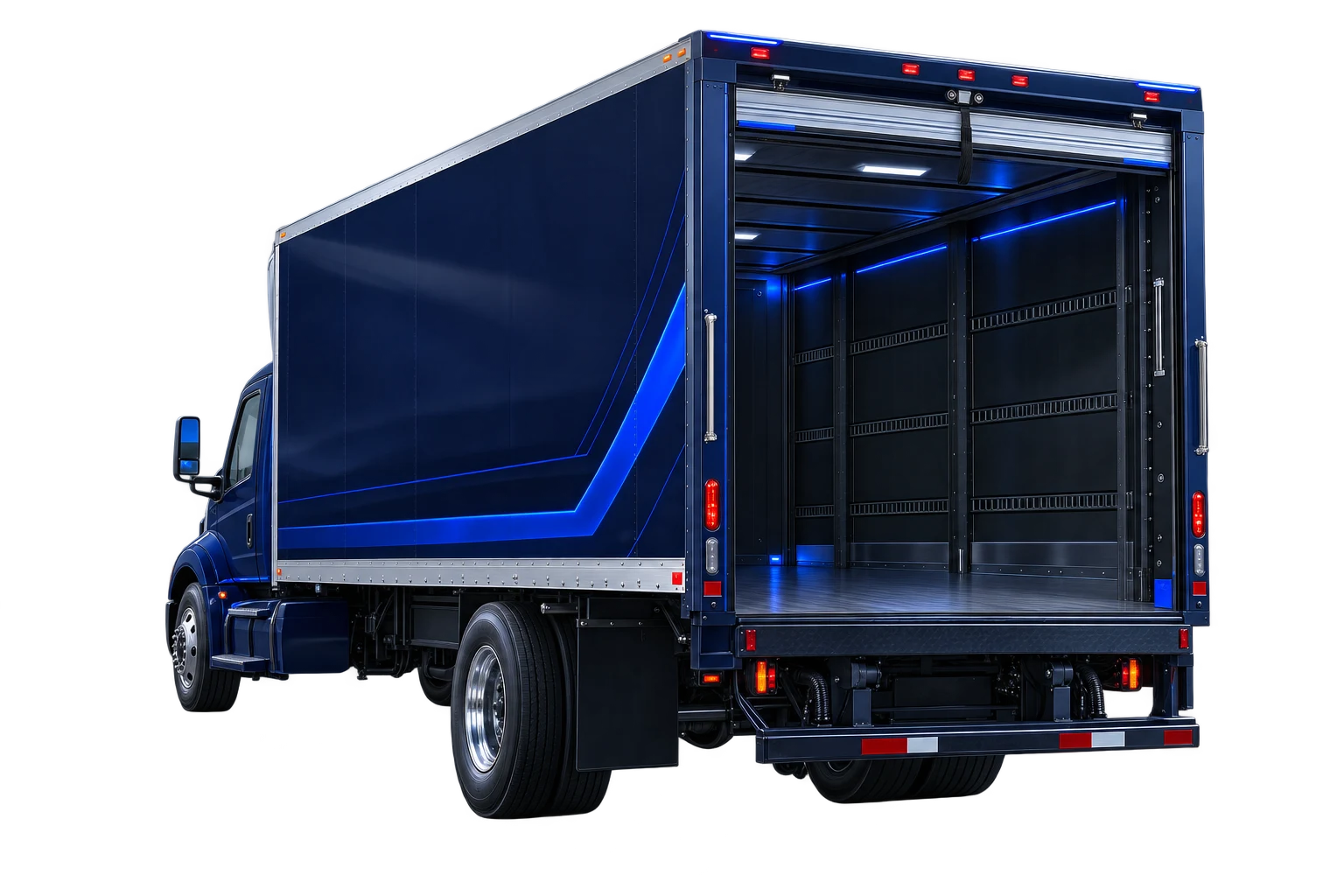
If the destination has no dock or forklift, say so at booking. DirectXpress's local trucks are liftgate and pallet jack equipped (liftgate delivery), but whether that equipment suits a particular machine still depends on the packed weight, footprint, stability and platform fit described above. The carrier should confirm that before the truck is loaded, not at the curb.
Sequence the move around downtime, not distance
Days when the machines are not running can add to what a move costs a working shop, so plan backward from the day you need to restart:
- Finish and ship open customer jobs before teardown starts.
- Give teardown its own time in the plan, and leave slack; you will not know how long it takes until you are doing it.
- Schedule the move so there is daylight left for unloading and placement.
- Plan recommissioning as its own step. Ask the manufacturer what has to be checked before the machine goes back into production, and whether that needs one of their technicians.
Compressing teardown, transport, placement and restart into a single day leaves little room for a surprise at any step.
Liability and insurance: read the terms before you load
A carrier's liability for loss or damage is a contractual limit, it is not the same as insurance, and it can be low for used equipment. FedEx Freight's rules tariff, for example, says that when used or reconditioned articles ship with no declared value (or are not described as used on the bill of lading), "Carrier's maximum liability shall not exceed 50 cents per pound per package or $10,000 per incident, whichever is lower". Excess liability coverage can be requested for an added charge, capped at $5.00 per pound per package and $10,000 per incident, and the tariff states that "Additional liability coverage is not and will not be considered as insurance for the cargo" (FedEx Freight 100 Series Rules Tariff, Item 420). Other carriers' terms differ, so ask for yours in writing.
Cargo insurance is a separate product with its own terms and exclusions; FedEx makes the same distinction for its declared value, noting that "Declared value is not shipping insurance" and that reimbursement requires proof the shipment was properly packed (FedEx). Our freight insurance guide explains the difference. Photographing each machine skidded and wrapped before pickup gives you a record of its condition if you ever need to file a claim.
Where same-day freight fits a shop move
When both addresses are in the same metro, a same-day truck can keep the transport leg of the move within one day. DirectXpress's same-day freight service in Los Angeles runs 26 ft box and straight trucks up to 53 ft trailers, operated by DirectXpress drivers, liftgate and pallet jack equipped, with live status and photo proof of delivery. For longer distances there is nationwide LTL through partner carriers. Send the machine list with packed weights, dimensions and both addresses to the quote form, and dispatch will tell you what it can carry. Anything that needs lifting from above, skating or placement on a foundation is a job for a qualified rigger, with the manufacturer's instructions in hand.
FAQ: Moving shop machinery
Can a liftgate truck handle a CNC machine?
Sometimes, within the gate's limits. A liftgate has a rated capacity and a fixed platform, and manufacturers such as MAXON say loads must not overhang the platform, must not be unstable and must not exceed the rated capacity. Give the carrier the packed weight, footprint and center-of-gravity information and ask them to confirm the gate on the assigned truck suits it. A machine that has to be lifted from above is rigging work.
Do I have to drain coolant and oil before shipping a machine?
It depends on the machine and the fluid. Ask the manufacturer or a qualified service technician which fluids to drain and how to secure what remains, and tell the carrier about any fluids left in the machine when you request a quote.
How much does it cost to move a machine across town?
Cost depends on weight, dimensions, distance and access at both ends; rigging is priced separately by the rigger. Send the machine list and both addresses for a lane quote. Accurate weights, dimensions and access details make it less likely the final bill differs from the quote.
Should I disassemble a machine before moving it?
Follow the manufacturer's transport instructions. They say what may be removed for shipping and what should stay assembled; if you do not have them, ask the manufacturer before taking anything apart. Bag and label every fastener you remove.
What if my new space has no dock or forklift?
Say so at booking. A liftgate truck with a pallet jack may be able to deliver to level ground, but only if the carrier confirms the machine's packed weight, footprint and stability suit the gate. Measure doorways and check floor capacity before the truck is loaded.
Is my machine insured during the move?
Not automatically. The carrier's liability is limited by its terms, which for used equipment can be low, and added liability coverage is not the same as cargo insurance. Ask for the carrier's liability terms in writing, decide whether to buy separate cargo insurance, and photograph the skidded machine before pickup.
About the author
DirectXpress Dispatch
Dispatch and Operations, DirectXpress
The dispatch team at DirectXpress, an Ontario, CA freight company holding both broker and motor carrier authority (MC 1801477 / USDOT 4539992). Same-day LA County freight, heavy final mile for 150-1,500 lb shipments, and nationwide LTL.