
Freight for Etsy and Marketplace Sellers
Quote before you list, package handmade goods for freight, and handle residential pickup from a home workshop.
Quote the freight before you list the piece, not after it sells. A 240 lb dining table crossing three states is ordinary freight, but the total can change noticeably depending on whether either end is residential and whether a liftgate is needed — facts you can establish in advance. Once a buyer has paid, any gap between your guess and the real quote becomes a conversation with the buyer or a cost you absorb.
That one sequencing change helps you avoid the two common ways makers lose on shipping: marking everything "local pickup only" and shrinking the market to a driving radius, or guessing a number, winning the sale, and quietly eating $300 on fulfilment. This is the starter guide for shipping furniture, large art, and restored pieces without either outcome.
When an item outgrows parcel
UPS caps a single parcel at 150 lb, and heavy or bulky pieces get expensive and awkward in parcel networks well before that ceiling. A useful rule of thumb for your own listings: if it takes two people to move, or it is too fragile to trust to automated parcel sorting, price it as freight as well. That usually points furniture, large crated canvases, and pieces with stone or glass toward freight. Our guide to the 150–1,500 lb range maps the service options; this guide is about running it as a seller.
Quote before you list, not after you sell
Listing first and pricing shipping later is an avoidable risk. By the time a buyer commits, you're quoting under deadline pressure, and if the real number is higher than your guess, you either go back to the buyer or absorb the difference.
Do it in the other order. Before the listing goes live:
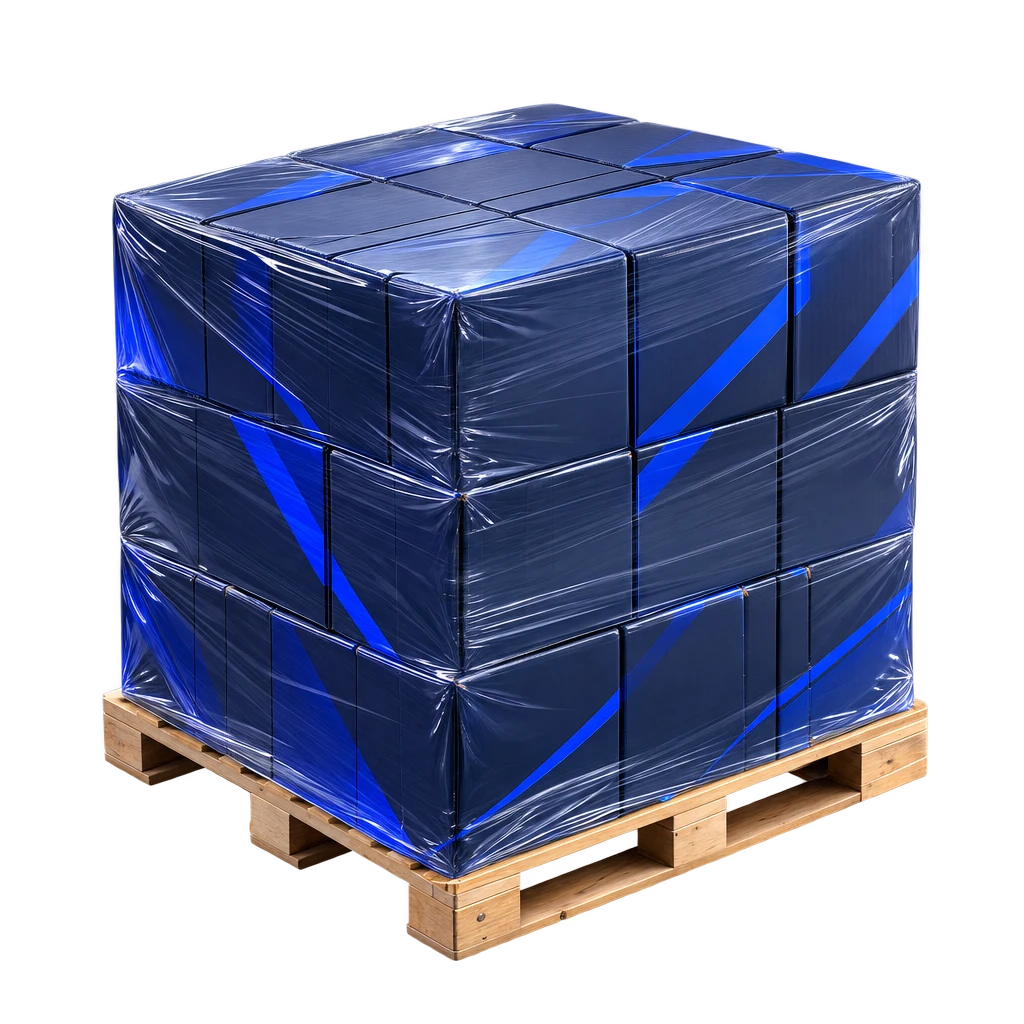
- Package the piece mentally and measure the result — the crate or pallet footprint, not the bare item. A 60” table on a pallet with corner protection is a different shipment than the table alone.
- Weigh honestly and round up. Include the pallet and any crating material. If the piece runs longer than 48 inches you may need to size the platform up rather than let it overhang — which pallet footprint fits your piece is worth settling before you quote, since the pallet's footprint becomes the shipment's dimensions on the quote.
- Get a real quote to two or three representative destinations — one near, one cross-country, one residential-with-liftgate. Now you know your own range, from real quotes rather than averages.
- Decide your policy with numbers in hand, not in the checkout panic.
Build it in, or quote on request?
Both models work; they sell to different buyers.
Flat-rate shipping built into the price gives the buyer one number at checkout with no follow-up step; the tradeoff is that you carry the lane risk. Base it on your most expensive sample quote (for many sellers, a cross-country residential delivery with liftgate), state which destinations and delivery conditions the flat rate covers, and re-quote periodically, since carrier rates and surcharges change. Keep the right to quote separately for anything outside those conditions — a remote address, inside delivery, an oversized package. This suits repeatable pieces where you ship the same footprint again and again.
"Freight quote on request" suits one-of-a-kind, high-value work where a $500 padding would kill the listing price. Make the process fast: have your packaged dimensions and weight ready, and reply quickly — a buyer left waiting days for a number has time to reconsider. A quote form that prices standard LTL lanes live helps here; complex lanes go to a dispatcher.
Packaging handmade work for the network
A palletized LTL shipment is typically moved by forklift and handled alongside other shippers' freight on the way. If that is the service you book, package for it:
- For palletized LTL, pallet or crate the piece. Blanket-wrap and white-glove services that accept furniture unpalletized are a different product with their own requirements — confirm packaging rules with whichever service you book. For palletized freight, the techniques in our palletizing guide apply directly — strap to the pallet, wrap, protect corners, no overhang.
- Crate glass, stone, and finished surfaces. A simple plywood crate with foam standoffs gives a fragile surface a rigid shell that can be strapped to a pallet.
- Detach what unbolts. Legs off, hardware bagged and taped inside a drawer, doors secured shut. Protruding parts are the easiest to snag or snap.
- Photograph the finished package from every side, timestamped. This is your evidence if anything goes wrong — our insurance guide covers what a claim needs.
Pickup from a home workshop
Residential pickup is a normal freight request; the carrier just needs to know that's what it is. When you book, say plainly: residential pickup, no dock, no forklift, and request liftgate service — the gate raises your pallet from ground level to the truck bed, the same way it lowers it at delivery. Have the piece packaged and staged somewhere the driver can reach with a pallet jack: garage mouth, driveway, level ground. If your street is hard for large trucks — steep, narrow, low branches — say so too, and get confirmation before you book that suitable equipment is available and the pickup is feasible.

Set the buyer's expectations — they've never done this either
Many marketplace buyers have received parcels but never a pallet. A short paragraph in your listing or post-sale message heads off the most common surprises:
- Delivery goes only as far as the service level you booked. FedEx Freight Direct's Basic level, for example, stops at the ground-level front or back door or the garage; bringing it inside is a higher level. Tell them which one they're getting. (Send them our receiving guide — it exists for exactly this.)
- If the service includes an appointment, the carrier contacts them to set a window, and someone needs to be there.
- Inspect before signing. Any dent, tear, or crushed corner gets written on the delivery receipt — that notation is the record a damage claim starts from.
When a piece arrives damaged
Even with careful packaging, have the play ready: buyer notes damage on the receipt at delivery, photographs everything before unpacking further, and you file the claim with your packaging photos and the noted receipt. Freight claims run on paper — a damage notation on the receipt plus your packaging photos is the best evidence you can bring. Damage found after a clean signature has to be reported quickly and on the carrier's own deadline; Old Dominion, for example, asks for concealed damage to be reported within 5 business days of delivery. Decide in advance whether you refund and file, or repair and negotiate, and tell the buyer the plan promptly.
Handled this way, freight lets you sell beyond your driving radius, and the freight line on each sale is a number you quoted in advance rather than one you discovered after the sale.
FAQ: Marketplace seller freight
How do I estimate freight cost before I have a buyer?
Quote your packaged dimensions and weight to two or three sample destinations before listing — one near, one cross-country, one residential with a liftgate. Your quotes, not averages, should set your listing policy.
Do I need a dock or forklift to sell freight-size pieces?
Not usually. Book the pickup as residential with liftgate service, confirm the carrier can do it at your address, stage the packaged piece where a pallet jack can reach it, and book liftgate at the delivery end too if the buyer has no dock.
Should I charge actual freight or build a flat rate into the price?
Both work. Flat rate gives buyers one number up front and suits repeatable pieces — base it on your most expensive sample quote, spell out which destinations and delivery conditions it covers, and quote anything outside them separately. Quote-on-request suits one-off, high-value work but adds a step, so reply quickly.
What packaging mistake should sellers avoid?
One avoidable problem is booking a palletized LTL service and then handing over a piece that isn't on a pallet or in a crate. Check the packaging requirements of the service you book — blanket-wrap services differ — and for palletized freight keep everything inside the pallet edges, since overhang is exposed to damage and changes the dimensions you're quoted on.
Is freight insurance worth it on handmade pieces?
It's worth checking before every shipment. Carrier liability is set by the carrier's tariff and bill of lading and can be capped per pound: FedEx Freight's rules tariff, for example, limits liability on used or reconditioned articles shipped without excess coverage to 50 cents per pound per package, which for a 150 lb restored table is about $75. Read the specific carrier's terms and compare excess-liability coverage or cargo insurance when the gap to the piece's value is meaningful.
What should I tell buyers about delivery?
Three things: how far the driver brings it under the service level you booked, whether the carrier will contact them for an appointment, and that they should note any damage on the receipt before signing. Clear instructions up front help set expectations before the truck arrives.
About the author
DirectXpress Dispatch
Dispatch and Operations, DirectXpress
The dispatch team at DirectXpress, an Ontario, CA freight company holding both broker and motor carrier authority (MC 1801477 / USDOT 4539992). Same-day LA County freight, heavy final mile for 150-1,500 lb shipments, and nationwide LTL.